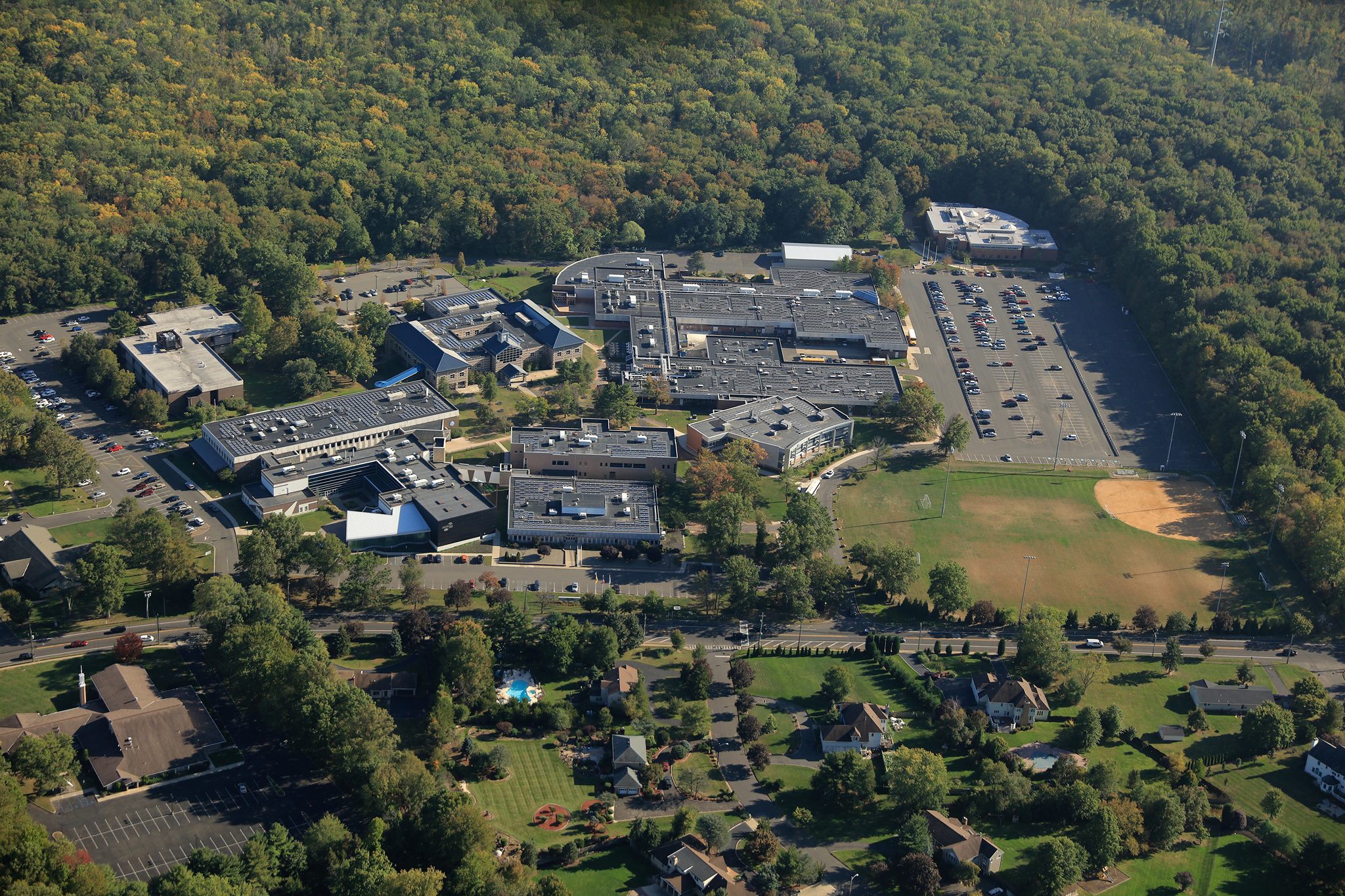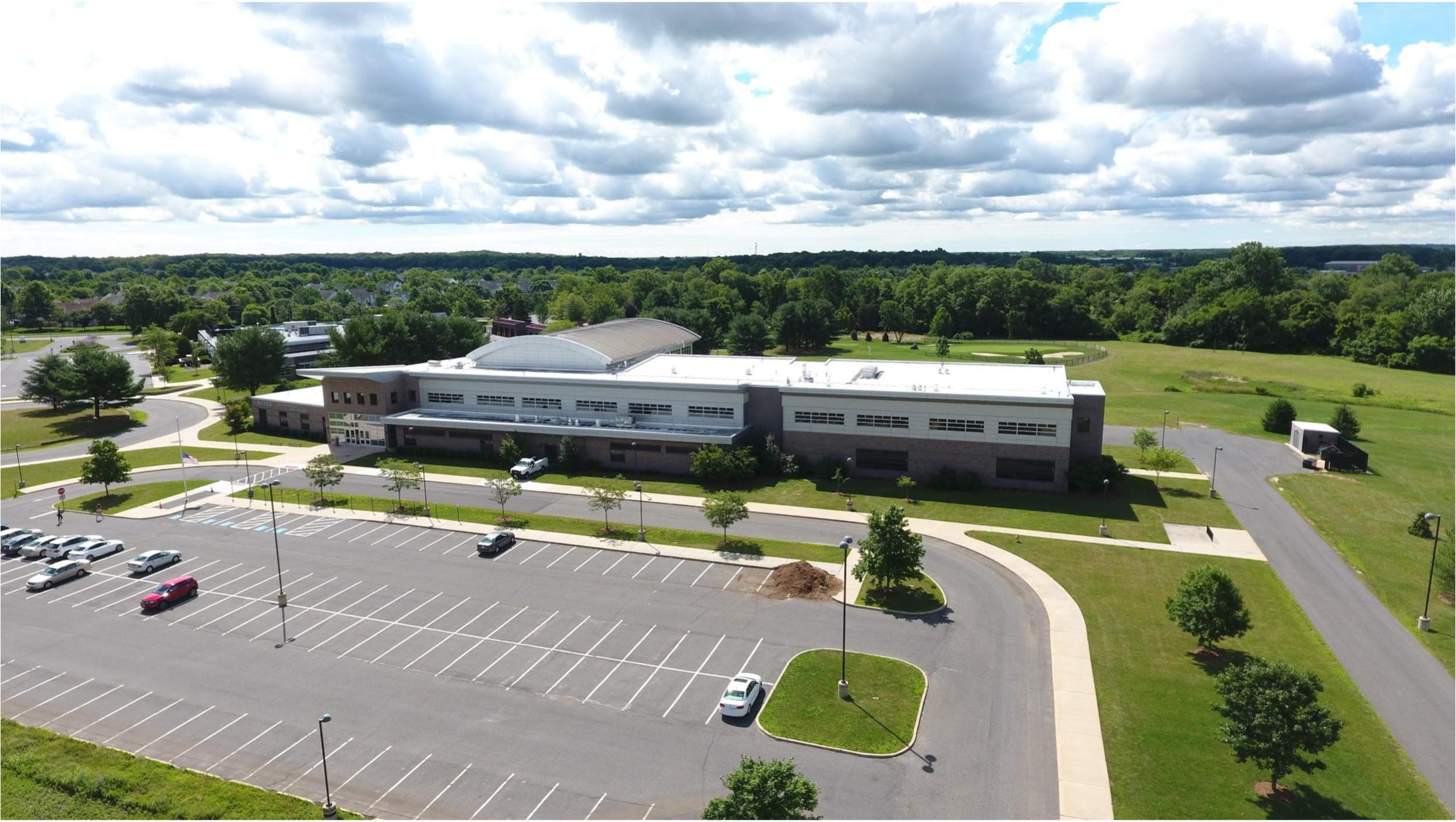

Edison Academy’s identity as a STEM-focused magnet program is one of its defining features — and one of the most important factors for families to understand before committing to the application process. A family that pursues Edison Academy without a clear understanding of what the STEM focus actually means in the daily experience of students is making a significant decision with incomplete information.
What STEM means at the program level.
In many educational contexts, the term “STEM” is applied loosely to programs that offer enrichment in science and mathematics alongside a traditional curriculum. At Edison Academy, the STEM orientation is more deeply integrated than this. Science, technology, engineering, and mathematics are not simply course offerings — they are the lens through which the program’s academic culture is organized.
Students at Edison Academy engage with STEM content not only in dedicated science and mathematics classes but across interdisciplinary contexts that ask them to apply quantitative and scientific reasoning to complex, real-world problems. Design challenges, laboratory investigations, data analysis projects, and engineering problems are woven throughout the coursework in ways that reinforce the habits of mind the program is built to develop.
This integration means that a student’s relationship with STEM content matters more at Edison Academy than in a traditional school setting. A student who is completing their science and mathematics courses without genuine engagement — who earns good grades but does not find the content intrinsically interesting — will find the Edison Academy environment less rewarding than a student who is genuinely curious about how the natural world works and how mathematical reasoning can be used to understand it.

The mathematics progression at Edison Academy.
Mathematics is central to the Edison Academy experience in a way that goes beyond the standard course sequence. The program’s STEM orientation means that students encounter mathematical reasoning in laboratory contexts, in computational thinking, and in the quantitative analysis that runs through many of their science courses.
Students entering Edison Academy are expected to bring a strong foundation in pre-algebraic and algebraic reasoning. The program moves at an accelerated pace, and students who have gaps in their mathematical foundations — even if those gaps did not noticeably affect their grades in a less demanding environment — may find that those gaps become more visible and more consequential in the Edison Academy context.
Families should ensure that their child’s mathematical preparation is deep rather than merely broad. The ability to reason algebraically — to set up and solve problems, to interpret equations, to understand relationships between quantities — matters more than the ability to execute a large number of memorized procedures correctly.
The science culture at Edison Academy.
Edison Academy cultivates a specific kind of relationship with science: one characterized by inquiry, evidence-based reasoning, and intellectual humility about the limits of what is currently known. Students are expected to design experiments, analyze data, draw conclusions, and revise those conclusions in light of new evidence.
This culture rewards students who approach learning as an active process — who ask questions, who are comfortable with ambiguity, and who find the process of investigation as rewarding as the conclusion it produces. Students who prefer clear, fixed answers and who are uncomfortable with open-ended problems may find the inquiry-based approach challenging.
Laboratory work is a regular component of the program, and students are expected to engage with it with care, precision, and intellectual seriousness. Laboratory skills — accurate measurement, careful observation, clear data recording, and honest analysis of results — are developed and evaluated throughout the program.

Technology and engineering as active disciplines.
Beyond science and mathematics, Edison Academy’s STEM focus includes genuine engagement with technology and engineering as disciplines in their own right. Students encounter computational thinking, design methodology, and engineering problem-solving as distinct ways of approaching challenges — not simply as tools for completing science or mathematics tasks.
For students who are drawn to building and creating — who have spent time outside of school designing, coding, constructing, or problem-solving — this dimension of the Edison Academy program is often the most immediately rewarding.
Confirming fit before pursuing admission.
The strongest Edison Academy applicants are those who have reflected honestly on their relationship with STEM content and concluded — not just hoped — that they will thrive in a program organized around it. Families should have direct conversations with their children about what draws them to science, mathematics, and technology, what experiences they have had in these areas, and whether they are pursuing Edison Academy because of genuine interest or because of the program’s reputation.
MEK Review’s Fast Track 8 program helps families approach this question with the benefit of a professional academic evaluation. Our evaluation test and review session assesses each student’s academic profile and helps families understand both their child’s readiness for Edison Academy and the preparation that will make the application as competitive as possible. To schedule your child’s evaluation, visit mekreview.com or call (855) 346-1410.